

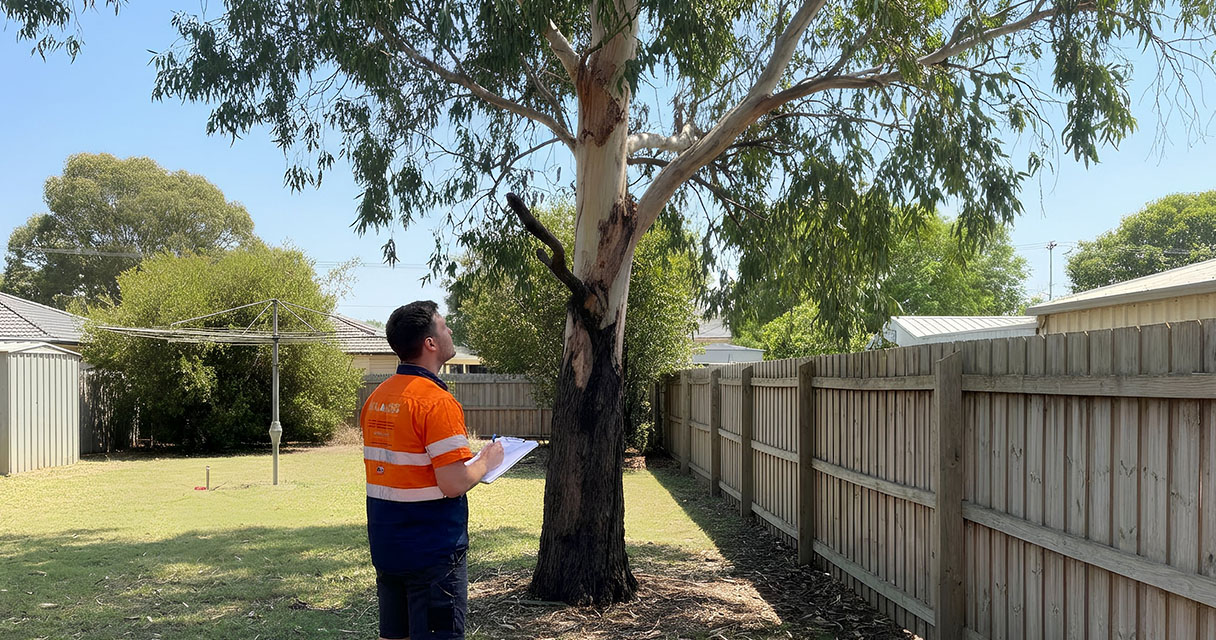
Professional tree reports might be the most overlooked financial protection available to Victorian homeowners. Every year, storms cost Victorians an average of $28 million in property damage, with falling trees and branches responsible for a significant portion of insurance claims. Yet when disaster strikes, thousands of homeowners discover their insurance won’t pay out the way they expected. The reason often comes down to a single word that appears buried in policy fine print: negligence. A professional arborist tree assessment could be the difference between a successful claim and being left thousands of dollars out of pocket.
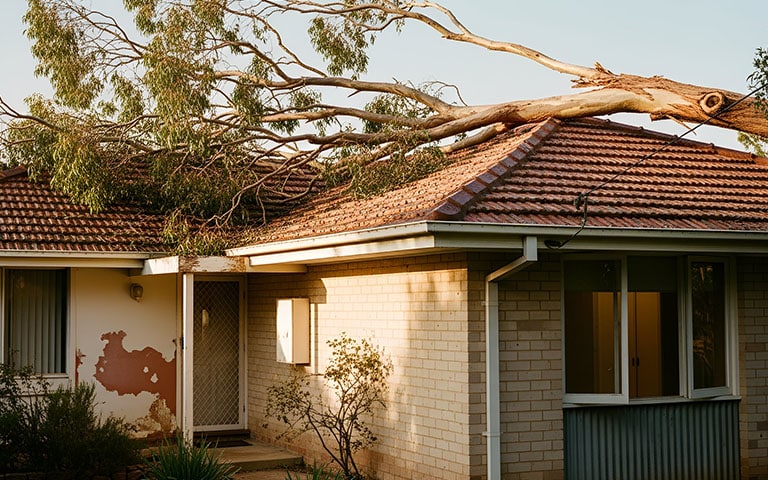
Here’s the uncomfortable truth most property owners never consider until it’s too late. Your home insurance will happily cover damage caused by a falling tree during a storm, but it won’t contribute a single dollar toward preventing that damage in the first place. Worse still, if your insurer determines you ignored warning signs or failed to maintain your trees properly, they can deny your claim entirely, leaving you liable for repairs that commonly exceed $10,000.
This guide explains the three types of tree reports available to Victorian homeowners, reveals exactly how these documents protect your insurance rights, and demonstrates why investing a few hundred dollars annually could save you tens of thousands when the next major storm hits.
The Insurance Gap Most Homeowners Don’t Know About
Understanding what your home insurance actually covers for tree damage can mean the difference between a manageable claim and thousands of dollars out of pocket. The reality is that most Victorian homeowners assume their policy provides comprehensive protection, only to discover significant gaps when they need coverage most.
What Home Insurance Actually Covers for Tree Damage
The good news is that Australian building insurance policies generally provide solid protection when trees cause sudden damage to your property. Major insurers like Suncorp and RACV classify falling trees as “impact events,” which means structural damage and associated costs typically fall within your coverage.
When a tree or large branch crashes into your home during a storm, you can generally expect your policy to cover:
- Structural repairs to your roof, walls, windows and foundations
- Damage to detached structures including sheds, garages and carports
- Fencing repairs up to specified limits, typically around 500 metres of structurally sound fencing
- Emergency tree removal costs when the tree has damaged an insured structure
- Debris removal, usually capped at $500 to $1,000 separately from your main claim
- Temporary accommodation if your home becomes uninhabitable, typically 10 to 20 per cent of your sum insured
The critical requirement that catches many homeowners off guard is this: the tree must have actually damaged an insured structure for removal costs to be covered. This single condition creates a significant financial blind spot.
Critical Exclusions That Catch Homeowners Off Guard
Here’s where the frustrating reality of insurance coverage becomes apparent. Your policy responds to damage that has already occurred, not damage you’re sensibly trying to prevent. This fundamental principle creates several costly exclusions that surprise property owners every storm season.
Preventive tree removal receives absolutely zero coverage under any standard Australian home insurance policy. If you’ve identified a dead or dangerous tree looming over your roof and want it removed before it causes problems, you’re paying entirely out of pocket. The Financial Rights Legal Centre confirms that insurers will not pay for these preventative steps, regardless of how obvious the risk might be.
The exclusions extend further than most homeowners realise:
- Tree removal without property damage means if a tree falls in your yard but misses all structures, removal costs fall entirely on you
- Gradual damage from tree roots affecting foundations, driveways or pipes is excluded because it’s considered a maintenance issue rather than sudden damage
- Stump and root removal costs are never covered, even when associated with an otherwise valid claim
- Tree lopping and pruning damage caused by you or contractors working with your approval falls outside coverage
The irony is cruel but important to understand. Insurance won’t pay for prevention, yet failing to maintain your trees properly can result in your claim being denied when damage does occur. This creates a narrow path that regular tree inspections help you navigate successfully.
The Negligence Factor That Can Void Your Entire Claim
Perhaps the most significant risk Victorian homeowners face relates to how insurers assess negligence when processing tree damage claims. The distinction between a covered incident and a denied claim often comes down to a legal concept every property owner should understand.
When a healthy, well-maintained tree falls during a severe storm, Australian law considers this an “Act of God.” You bear no liability, and your insurer processes the claim without question. Your neighbour, if affected, claims on their own insurance rather than pursuing you. This principle protects responsible tree owners from unforeseeable natural events.
However, the situation reverses completely when negligence enters the picture. If your insurer determines that your tree was dangerous and you knew or should have known about the risk, they can deny your claim and hold you personally liable for all resulting damage.
Insurers assess negligence by reviewing several key factors:
- Maintenance records demonstrating regular care and attention
- Arborist reports documenting professional inspections and recommendations
- Prior notices about the tree’s condition, including council communications or neighbour complaints
- Visible warning signs you should have recognised, such as dead branches, severe lean, or fungal growth
As the Financial Rights Legal Centre explains, if a tree on your property “is dead, damaged or is a species of tree known to drop branches, you may be liable if it falls or causes damage.” The standard applied is what you “knew or should have known” about potential hazards.
This is precisely where professional tree reports become invaluable. A documented history of regular tree assessments creates the evidence trail that proves you exercised reasonable care. When claims are assessed, this documentation distinguishes responsible homeowners from negligent ones, protecting both your claim and your rights. For a comprehensive understanding of how coverage works in Victoria, see our complete guide to homeowner’s insurance and tree damage.
The Three Types of Tree Reports Explained
Not all tree reports serve the same purpose, and understanding the differences helps you choose the right documentation for your specific needs. Victorian homeowners and property managers typically require one of three distinct report types, each designed to address different situations and regulatory requirements.
Tree Risk Assessment: Your Safety and Liability Shield
A tree risk assessment is a specialised safety evaluation that identifies potentially hazardous trees on your property. This type of arborist report focuses specifically on evaluating the likelihood of tree failure and the potential consequences to people, property and infrastructure.
Qualified arborists use industry-recognised methodologies to conduct these assessments. The two most widely accepted approaches in Australia are QTRA (Quantified Tree Risk Assessment) and TRAQ (Tree Risk Assessment Qualification), both of which provide systematic frameworks for evaluating tree hazards. Arboriculture Australia recognises these methodologies as meeting professional standards for tree safety inspections.
During a comprehensive risk assessment, your arborist evaluates critical factors including:
- Structural defects such as cracks, cavities and weak branch attachments
- Signs of disease, decay and fungal infection
- Root stability and soil conditions
- Crown condition and deadwood presence
- Target zones where tree failure could cause harm or damage
The resulting report assigns a risk rating to each assessed tree and provides clear, prioritised recommendations for risk mitigation. This might include selective tree pruning, ongoing monitoring, installation of support systems, or safe tree removal where necessary.
Property owners typically require tree risk assessments for liability management and duty of care compliance, insurance requirements following storm damage, public safety in high-traffic areas such as schools and body corporate properties, post-storm evaluation to identify immediate dangers, and proactive tree management strategies.
Arboricultural Impact Assessment: Development and Council Compliance
An arboricultural impact assessment serves an entirely different purpose. This specialised report is required when submitting planning applications to local councils across Victoria, evaluating how proposed construction or development will impact existing trees on and adjacent to your property.
All arboricultural impact assessments must comply with AS4970-2009 Protection of Trees on Development Sites, the Australian Standard that governs tree protection during construction. This compliance ensures your report meets council requirements and planning regulations across Victoria’s 79 municipalities.
The technical detail required in these reports is substantial. Your consulting arborist calculates Tree Protection Zones (TPZ) and Structural Root Zones (SRZ) for each tree, defining the minimum areas that must remain undisturbed during construction to maintain tree viability.
A comprehensive development report includes:
- Complete tree inventory with species identification and measurements
- Assessment of tree health, structural condition and retention value
- TPZ and SRZ calculations mapped against proposed development plans
- Impact analysis identifying which trees will be affected
- Detailed tree protection specifications for the construction phase
- Recommendations for construction methodologies near retained trees
- Replacement planting suggestions where removal is approved
Most Victorian councils require an arboricultural impact assessment before approving developments, particularly in areas with vegetation overlays or when significant trees are present. Whether you’re planning a new build, extension, pool or major renovation, this report streamlines the approval process and prevents costly redesigns later.
Visual Tree Assessment: Health Monitoring and Early Detection
A visual tree assessment (VTA) focuses on general health and condition monitoring rather than specific safety hazards or development impacts. This type of tree inspection evaluates overall tree wellbeing, identifying disease, pest infestations, nutritional deficiencies, environmental stress and general vigour.
The VTA methodology was developed by German biomechanics expert Claus Mattheck and is based on the principle that trees respond to internal defects with visible external symptoms. An experienced arborist reads these signs to identify problems that might otherwise go unnoticed until failure occurs.
During a visual tree assessment, your arborist systematically examines the entire tree from roots to crown. Ground-based inspections use tools such as mallets to test for hollows, probes to check for decay, and binoculars to inspect higher branches. Where concerns are identified, aerial inspections via climbing or elevated work platforms provide closer examination.
The assessment covers key health indicators including foliage density, colour and seasonal appropriateness, branch structure and attachment strength, bark condition and trunk integrity, visible root system health, and signs of pest activity or disease symptoms.
Visual tree assessments are ideal for regular property maintenance schedules, pre-purchase property inspections when assessing potential maintenance costs, dispute resolution requiring objective evidence of tree condition, heritage tree monitoring to track significant specimens over time, and post-treatment evaluation following previous interventions.
For comprehensive tree assessment services tailored to your specific situation, whether safety-focused, development-related, or health monitoring, working with qualified arborists ensures you receive documentation that meets industry standards and regulatory requirements.
How Tree Reports Protect Your Insurance Rights
The connection between professional tree reports and successful insurance claims isn’t immediately obvious to most homeowners. Yet these documents serve as powerful legal and financial protection, creating the evidence you need when insurers start asking difficult questions about tree maintenance and property care.
Establishing Documented Proof of Due Diligence
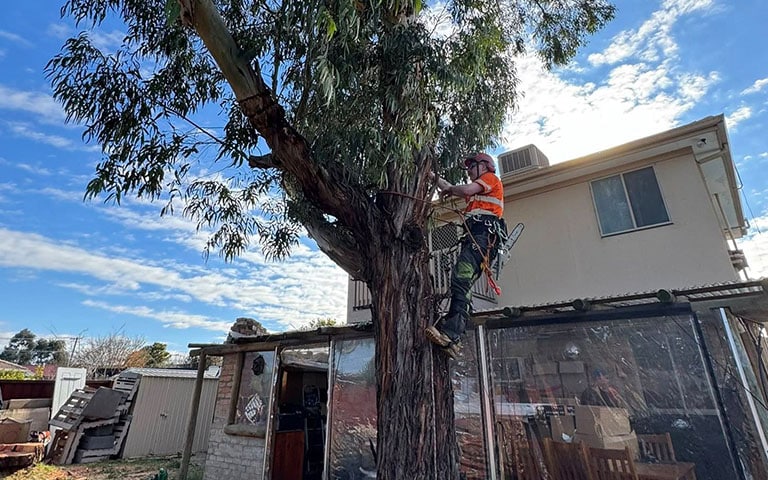
Professional arborist reports create a clear evidence trail that distinguishes responsible homeowners from negligent ones. When an insurer investigates a claim, they’re looking for proof that you exercised reasonable care in maintaining your property. Documentation from regular tree inspections provides exactly this evidence.
The legal principle at play here is significant. Courts have established that if a tree inspection was conducted in accordance with practices accepted by qualified arborists, appropriate care was exercised and there is no negligence. This standard, derived from the Bolam test applied in professional liability cases, means your reports demonstrate compliance with your duty of care obligations.
The documentation value extends beyond a single incident to include:
- Baseline records of tree health and structural condition at specific dates
- Evidence that you acted on professional recommendations
- Proof of ongoing maintenance and monitoring
- Professional verification that potential hazards were identified and addressed
Supporting Insurance Claims with Expert Evidence
When you lodge an insurance claim for tree damage, the assessment process often involves questions about the tree’s condition before the incident. Without professional documentation, you’re relying on memory and verbal assertions. With a recent arborist report, you have expert evidence that carries substantial weight with insurance adjusters.
Tree reports prove particularly valuable in several claim scenarios. They establish that damage resulted from a sudden, unforeseeable event rather than a pre-existing condition. They verify that the tree showed no obvious defects that should have prompted earlier action. They demonstrate professional monitoring was in place. They also answer technical questions that might otherwise delay claim processing.
The Australian Financial Complaints Authority handles disputes when claims are denied, and having comprehensive documentation significantly strengthens your position if you need to escalate. AFCA can award up to $631,500 for property damage claims, making thorough documentation a worthwhile investment.
Defending Against Liability in Neighbour Disputes
Perhaps the most financially significant protection tree reports provide relates to neighbour disputes when your tree damages adjacent property. Unlike New South Wales or Queensland, Victoria has no specific Trees Act governing these situations. Disputes proceed through the Magistrates’ Court under complex common law principles, where evidence of tree condition becomes crucial.
If your tree falls and damages your neighbour’s home, fence or vehicle, liability depends entirely on what you knew about the tree’s condition beforehand. A healthy, well-maintained tree falling during a storm constitutes an “Act of God,” meaning your neighbour claims on their own insurance and you bear no liability. However, proving the tree was healthy requires evidence.
Without documentation, you face a difficult position. You cannot definitively prove your tree was in good condition before the incident, leaving you vulnerable to allegations of negligence. If such allegations succeed, you could face personal liability potentially exceeding $100,000 for structural repairs, fence replacement and associated costs.
Regular tree assessments provide the objective evidence needed to establish your position. For a comprehensive understanding of how liability works when trees cross property boundaries, see our detailed guide on tree falling on neighbour’s property in Victoria.
The Cost Comparison: Prevention vs Damage
Understanding the true financial picture requires comparing what tree reports and preventive maintenance cost against the potential expenses of unmanaged tree damage. When the numbers are laid out clearly, the investment case for regular professional tree assessments becomes compelling.
What Tree Reports Actually Cost
The cost of arborist reports in Melbourne and regional Victoria varies depending on the type of assessment required and the number of trees involved. However, even comprehensive reports represent a modest investment when measured against the protection they provide.
For most residential properties, you can expect to pay within these typical ranges:
- Basic single tree report for health or risk assessment runs between $300 and $550
- Multiple tree assessments covering four to five trees typically cost $700 to $850, with per-tree rates decreasing as numbers increase
- Arboricultural impact assessments for development applications start around $900, plus approximately $50 per additional tree
- Comprehensive development reports for complex sites range from $1,200 to $2,000
These costs reflect the expertise of AQF Level 5 qualified arborists who hold Diploma-level qualifications in arboriculture. The reports they produce meet Australian Standards and carry weight with councils, insurers and legal proceedings.
One important consideration often overlooked is that a single tree assessment provides documentation that remains relevant for years. Unless significant changes occur to the tree or property, your report continues to demonstrate the baseline condition and your commitment to proper tree management.
What Unmanaged Tree Damage Actually Costs
The expenses associated with tree damage to property escalate quickly, often catching homeowners off guard with the true cost of repairs, removal and associated complications.
Roof repairs represent one of the most common and costly outcomes when trees fail. According to industry data, repairs in Australia typically range from $1,000 to $5,000 for moderate damage, with major structural repairs reaching $8,000 or more. Tile replacement alone costs $5 to $35 per tile, and that’s before addressing underlying structural damage to rafters or framing.
Fence repairs following tree damage average $1,754 in Australia, though costs vary significantly based on materials and extent of damage. Timber fence repairs run $40 to $100 per metre, while Colorbond fencing costs $70 to $150 per metre. Complete fence replacement can exceed $10,000 for larger properties.
Beyond structural repairs, additional costs compound the financial impact:
- Emergency tree removal ranges from $1,000 to $10,000 depending on tree size, location and complexity
- Insurance excess of $500 to $1,000 applies to each claim you lodge
- Premium increases following claims add ongoing costs for years afterward
- Stump grinding and debris removal add $200 to $500 when not covered by insurance
The figures become truly alarming when negligence liability enters the equation. If your tree damages a neighbour’s property and you’re found to have ignored warning signs, you could face personal liability exceeding $100,000 for structural repairs, temporary accommodation and legal costs. No standard home insurance policy protects you from this scenario if negligence is established.
The Real Numbers: Annual Prevention Investment
When you compare annual prevention costs against potential damage expenses, the mathematics strongly favour proactive tree maintenance and regular reporting.
A sensible annual investment in tree care might include a professional tree assessment at approximately $500 and preventive pruning based on recommendations, typically $500 to $2,500 depending on tree size and required work. This brings your total annual prevention investment to between $800 and $3,000.
Compare this against a single incident involving roof damage, fence repairs, emergency removal and insurance excess. Conservative estimates place this scenario at $4,000 to $17,000 out of pocket, even with insurance coverage. If your claim is denied due to negligence, costs multiply dramatically.
The prevention investment represents just 5 to 20 per cent of potential single-incident costs. Over a typical decade of home ownership, regular tree inspections and maintenance could easily save $30,000 to $50,000 in avoided damage, preserved insurance coverage and protected liability.
There’s also a positive return beyond damage avoidance. Research from AECOM found that a 10 per cent increase in tree canopy coverage adds approximately $50,000 to property values in Sydney suburbs. Well-maintained, healthy trees contribute to this premium, while neglected or dangerous trees detract from it. Professional tree care services ensure your trees remain assets rather than liabilities, protecting both your immediate finances and long-term property value.
When to Schedule Your Tree Reports
Timing your tree inspections strategically maximises their protective value while ensuring you’re never caught unprepared when severe weather strikes. Understanding when assessments deliver the greatest benefit helps you plan maintenance effectively and maintain continuous documentation.
Recommended Assessment Schedule
The frequency of professional tree assessments depends on several factors, including tree age, species, location and proximity to structures. However, general guidelines provide a solid foundation for most Victorian properties.
Australian Standard AS4373-2007 for pruning amenity trees recommends bi-annual inspections, ideally scheduled before summer and winter when weather extremes place greatest stress on trees. For most residential properties, this level of frequency isn’t necessary, but it establishes the benchmark that professionals consider optimal.
Practical scheduling for typical Victorian homes should follow these guidelines:
- Standard mature trees benefit from assessment every two to three years, providing regular documentation without unnecessary expense
- High-risk specimens located near structures, power lines or boundary fences warrant annual tree inspections to catch developing problems early
- Large or ageing trees with significant canopy spread require yearly monitoring as structural risks increase with age
- Heritage or significant trees protected under council overlays need annual detailed documentation to satisfy regulatory requirements and demonstrate proper stewardship
Trigger Events Requiring Immediate Assessment
Beyond scheduled inspections, certain events should prompt an immediate tree assessment regardless of when your last report was completed. These trigger events indicate potential changes to tree health or stability that require professional evaluation.
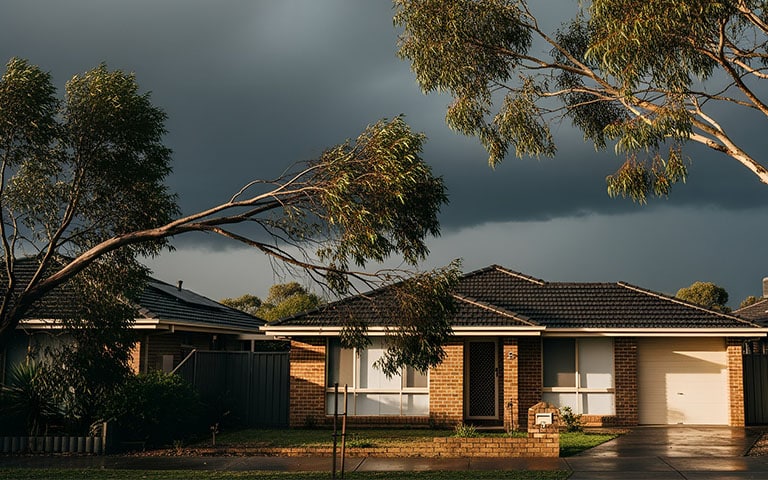
Victoria’s storm season runs from October through March, with VIC SES responding to approximately 20,000 storm-related requests annually. Scheduling your tree risk assessment before this period ensures any hazards are identified and addressed while conditions still allow safe remediation work.
Additional triggers requiring prompt professional attention include:
- After severe weather events such as storms, high winds, flooding or prolonged drought that may have compromised tree stability
- When purchasing property as part of pre-purchase due diligence to understand existing tree condition and potential maintenance obligations
- When visible concerns arise including dead branches, sudden lean, bark damage, fungal growth at the base, or exposed roots
- Before any construction work near established trees, even minor projects that might affect root zones
- Following nearby excavation or drainage changes that could impact root systems and soil stability
If you notice warning signs between scheduled assessments, don’t wait for your next planned inspection. Contacting a qualified arborist promptly could prevent both property damage and potential emergency tree situations that prove far more costly to resolve.
Special Circumstances Requiring Enhanced Monitoring
Certain property types and situations demand more rigorous tree assessment schedules due to heightened duty of care obligations or increased risk profiles.
Body corporate and strata properties face particular scrutiny because common areas serve multiple residents and visitors. The potential for injury claims creates significant liability exposure, making regular tree safety inspections essential for committee members and property managers. Annual assessments with documented remediation of identified hazards represent the minimum standard for these properties.
Other situations warranting enhanced monitoring include:
- Properties with trees near boundaries where failure could affect neighbouring homes, requiring documentation to protect against liability claims
- Commercial properties with public access including retail premises, offices and hospitality venues where visitor safety creates legal obligations
- Schools, childcare centres and aged care facilities where vulnerable populations increase both the moral and legal responsibility for tree safety
- Properties in bushfire-prone areas where vegetation management serves both safety and insurance compliance purposes
For properties falling into these categories, working with a consulting arborist to develop a tailored inspection schedule ensures appropriate coverage while demonstrating the proactive approach insurers and courts expect to see.
Choosing a Qualified Arborist for Your Tree Reports
The value of your tree reports depends entirely on the qualifications and expertise of the arborist who prepares them. Not all tree professionals are equal, and understanding what credentials to look for ensures your documentation carries weight with insurers, councils and courts.
Essential Qualifications to Verify
When selecting an arborist for professional tree assessments, the minimum qualification you should accept is AQF Level 5, which represents a Diploma of Arboriculture. This credential distinguishes consulting arborists who specialise in assessment and reporting from tree loppers who focus primarily on physical tree work.
The distinction matters significantly for insurance and legal purposes. AQF Level 5 arborists have completed extensive training in tree biology, risk assessment methodologies, report writing and Australian Standards compliance. Their reports reflect this expertise and meet the evidentiary standards required for formal proceedings.
Beyond the baseline diploma, look for additional credentials that indicate specialised expertise:
- TRAQ certification (Tree Risk Assessment Qualification) demonstrates competency in the International Society of Arboriculture’s standardised risk assessment methodology
- QTRA registration (Quantified Tree Risk Assessment) indicates training in the quantitative risk assessment approach widely used across Australia and internationally
- Membership with Arboriculture Australia confirms ongoing professional development and adherence to industry standards
- Professional indemnity insurance protects you if advice provided proves incorrect or incomplete
- Public liability insurance covers any incidents that occur during site inspections
One critical advantage of engaging a consulting arborist rather than a tree removal company is independence. Consultants who don’t perform removal work have no financial incentive to recommend unnecessary tree removal, ensuring their assessments remain objective and focused solely on accurate evaluation.
What to Expect from a Professional Report
A properly prepared arborist report meets specific standards that ensure its usefulness for insurance, council and legal purposes. Understanding what a quality report contains helps you assess whether you’re receiving appropriate value.
Every professional report should comply with relevant Australian Standards, including AS4373-2007 for pruning recommendations and AS4970-2009 for development-related assessments. This compliance isn’t optional; it establishes that the assessment followed accepted professional practices.
Quality tree reports consistently include several essential elements:
- Comprehensive photographic documentation showing overall tree condition and specific areas of concern
- Clear species identification and accurate measurements of height, trunk diameter and canopy spread
- Detailed condition assessment covering structure, health, pest and disease presence, and environmental factors
- Risk ratings using recognised methodologies where safety assessment is required
- Prioritised recommendations specifying what action is needed and the timeframe for completion
- Professional formatting suitable for submission to councils, insurers or legal representatives
The report should be written in clear language that non-specialists can understand while maintaining technical accuracy. Recommendations should be practical and actionable, giving you or your chosen tree care provider clear direction on required works such as crown reduction, canopy lifting or complete removal where warranted.
Protect Your Property Before the Next Storm Season
The insurance landscape for tree damage creates a challenging paradox for Victorian homeowners. Your policy won’t contribute toward preventing damage, yet it can deny your claim entirely if you failed to maintain your trees properly. Professional tree reports bridge this gap, providing the documented evidence that proves you exercised reasonable care and fulfilled your duty of care obligations.
Taking the Next Step
The cost of regular tree assessments represents a fraction of potential damage expenses, liability claims and denied insurance payouts. Investing $300 to $550 annually in professional documentation could save tens of thousands when severe weather strikes.
With Victoria’s storm season bringing increased risk each year, scheduling your tree inspection now ensures any hazards are identified and addressed while conditions allow. Our AQF Level 5 qualified arborists provide comprehensive tree assessment services across Melbourne and regional Victoria, delivering reports that meet Australian Standards and satisfy insurance, council and legal requirements.
Contact Milone’s Tree Solutions today to arrange your professional tree assessment and ensure your property, your insurance rights and your financial security are properly protected.
Frequently Asked Questions
Arborist report costs in Melbourne typically start at $300 to $550 for a basic single tree assessment. Reports covering multiple trees generally range from $700 to $850 for four to five specimens, with per-tree rates decreasing as numbers increase. Arboricultural impact assessments for development applications start around $900 plus approximately $50 per additional tree, while comprehensive development reports for complex sites can be from $1,200. These costs reflect the expertise of AQF Level 5 qualified consulting arborists whose reports meet Australian Standards and carry weight with councils and insurers.
No. Australian home insurance policies only cover tree removal costs when the tree has already damaged an insured structure such as your home, garage, shed or fence. Preventive tree removal, regardless of how obvious or significant the risk, receives zero insurance coverage under any standard policy. This means all proactive maintenance, pruning and hazard removal falls entirely on the homeowner. However, failing to address known hazards can result in insurance claims being denied if damage later occurs, making regular professional assessments a worthwhile investment.
For tree reports that carry weight with insurers and in legal proceedings, look for an arborist holding minimum AQF Level 5 qualification, which represents a Diploma of Arboriculture. Additional credentials that indicate specialised expertise include TRAQ certification (Tree Risk Assessment Qualification) or QTRA registration (Quantified Tree Risk Assessment) for risk-focused reports. The arborist should also hold current professional indemnity insurance and public liability coverage, and ideally maintain membership with Arboriculture Australia. Consulting arborists who don’t perform removal work provide the most objective assessments.
Most established trees benefit from professional tree assessment every two to three years, providing regular documentation without unnecessary expense. However, high-risk specimens located near structures, power lines or boundary fences warrant annual tree inspections to catch developing problems early. Large or ageing trees also require yearly monitoring as structural risks increase with age. Beyond scheduled inspections, you should arrange immediate assessment after severe weather events, when visible concerns arise such as dead branches or sudden lean, before construction work near trees, or when purchasing a property as part of due diligence.
Yes, significantly. A tree report provides objective evidence of your tree’s health and condition, which is crucial for defending against liability claims in Victoria. Unlike other Australian states, Victoria has no specific Trees Act, meaning disputes proceed through Magistrates’ Court under common law principles where evidence of tree condition becomes essential. If your tree was healthy and well-maintained when it fell during a storm, this constitutes an “Act of God” and your neighbour must claim on their own insurance rather than pursuing you. Without professional documentation, you cannot prove your tree was in good condition before the incident. For detailed information on how liability works, see our guide on trees falling on neighbour’s property in Victoria.
Still have questions?
If you can’t find an answer to your question in the FAQ’s above, you can always contact us and we’ll respond asap.
Get a Quote now!
"*" indicates required fields


