


Most trees don’t become a problem overnight. It’s usually a slow process of unchecked growth, seasonal stress, and missed maintenance that eventually leads to real risks around the home. What starts as a full, healthy canopy can gradually turn into structural imbalance, excess weight, and branches extending into areas they shouldn’t be.
This is where tree trimming becomes less about appearance and more about safety and long-term property protection. When trees are left unmanaged, even seemingly healthy growth can create hidden issues that only become obvious during storms or periods of high stress.
At Milones Tree Solutions, we regularly assess overgrown trees that have reached a point where they are beginning to affect homes, fences, driveways, and surrounding structures. In many cases, the risks have been building for years before they become noticeable.
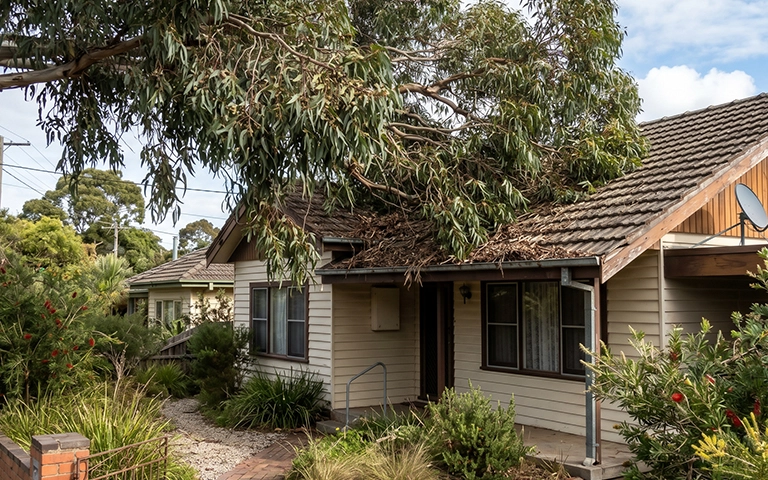
Why Overgrown Trees Become Dangerous Over Time
When people ask are overgrown trees dangerous, the answer depends on how long the growth has been unmanaged and how close the tree is to structures or high-use areas.
As canopies expand without control, weight distribution across branches becomes uneven. This increases the likelihood of unstable growth patterns and unstable limbs, particularly in fast-growing species common across Melbourne suburbs such as eucalyptus.
Over time, deadwood accumulation becomes more common in dense canopies where light and airflow are restricted. These dead or weakened branches can remain suspended in the canopy for long periods before eventually failing.
Poor structure is another key factor. Trees that haven’t been regularly maintained often develop competing leaders, crossing branches, or heavy lateral growth that increases stress on key attachment points. This is where long-term tree maintenance plays a critical role in preventing failure.
Seasonal storm events in Melbourne can quickly expose these weaknesses. What looks like a healthy tree in calm weather can become a hazard under wind load, especially when canopy density is high and branches have limited clearance.
How Large Trees Can Damage Homes & Property Structures
A key concern for homeowners is can large trees damage houses, and in many cases the answer is yes, particularly when growth has been unmanaged for extended periods.
One of the most common issues is branch overhang above roofs and structures. As trees grow closer to homes, even moderate wind can cause contact between branches and roofing materials, leading to wear or direct impact during storms.
Blocked gutters are another frequent problem linked to canopy overgrowth. Excess leaf litter and debris can restrict drainage, leading to overflow issues and moisture damage over time.
In more severe cases, falling branches during storm events can cause direct damage to roofs, fences, and outdoor structures. This is where falling branch risks become a serious safety consideration rather than just a maintenance concern.
Root systems can also contribute to property issues. As trees mature, root expansion may place pressure on driveways, pathways, and surrounding hard surfaces. This can result in cracking or lifting over time, particularly in older residential areas with established vegetation.
Dense canopy growth can also reduce sunlight and airflow around the home, contributing to damp areas, moss growth, and long-term surface deterioration in shaded zones.
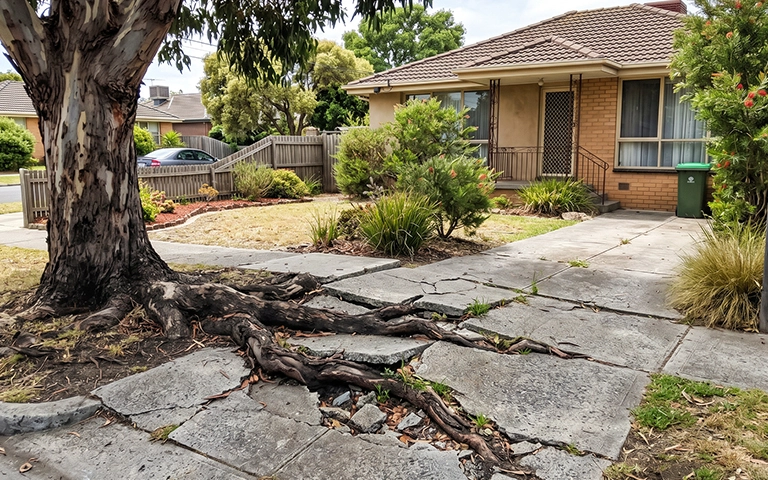
Signs a Tree Needs Trimming or Professional Attention
One of the most common indicators that tree pruning or maintenance is required is when branches begin making contact with structures. If limbs are touching roofs, walls, or gutters, it is often a sign that when should trees be trimmed has already been reached.
Excessive canopy spread is another key warning sign. Trees that extend well beyond their original growing space may begin competing for stability, especially when combined with uneven weight distribution.
Leaning growth can also indicate structural imbalance or uneven root development. While not always immediately dangerous, it is often a signal that a professional arborist assessment should be considered.
Dead or hanging limbs are a clear risk factor. These branches can fail without warning, particularly during wind events. Similarly, blocked pathways or reduced clearance around access areas can create both safety and usability issues for homeowners.
Dense shading is another subtle indicator. When a tree begins significantly limiting light into the home or garden, it often reflects advanced canopy expansion that may require tree trimming service intervention to restore balance.
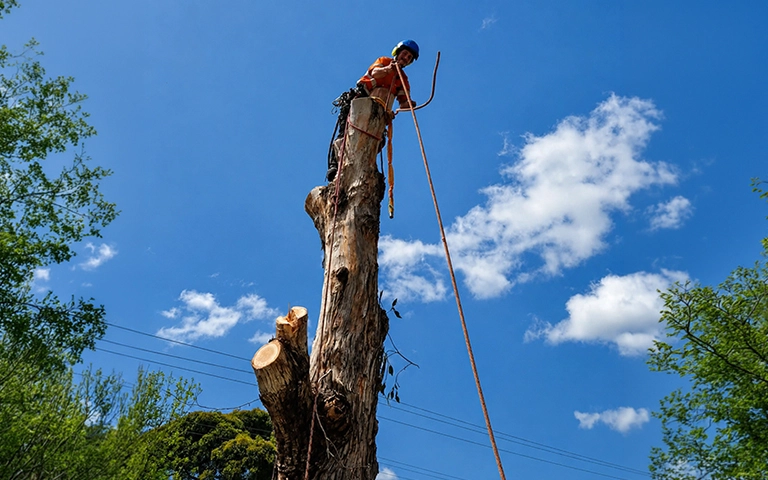
When Tree Trimming Helps Prevent Bigger Problems
Regular tree trimming is not just about controlling size. It plays a key role in reducing long-term risk and maintaining structural stability.
Canopy reduction helps redistribute weight across the tree, reducing strain on heavy or extended branches. This is particularly important in mature trees exposed to seasonal wind events.
Structural pruning focuses on improving branch spacing and removing weak or competing growth. This helps reduce the likelihood of failure while maintaining healthy development.
In preparation for storm seasons, proactive trimming can significantly reduce the risk of storm-damaged trees causing property damage. By reducing exposed surface area and removing weak limbs, trees are better able to withstand high wind conditions.
Improving clearance around homes, roofs, and driveways is another practical benefit. This helps prevent ongoing contact damage and reduces maintenance issues such as blocked gutters and debris buildup.
When carried out correctly, professional tree pruning also supports long-term tree health by improving airflow, light penetration, and overall canopy structure.
Why DIY Tree Cutting Can Become Dangerous
While some homeowners consider managing growth themselves, DIY approaches to tree trimming can introduce significant risks.
Unstable limbs can shift unexpectedly during cutting, especially in overgrown or unbalanced trees. Without proper assessment, this can create serious safety hazards.
Incorrect pruning techniques can also cause long-term damage. Poor cuts may lead to decay, weak regrowth, or structural imbalance that increases future risk rather than reducing it.
Hidden decay inside branches or trunks is another major concern. What appears solid externally may be compromised internally, making manual cutting unpredictable.
Trees located near powerlines present an additional hazard, where even minor contact can create serious danger.
For these reasons, professional arborists are often the safer long-term option for managing vegetation management and reducing risk around residential properties.
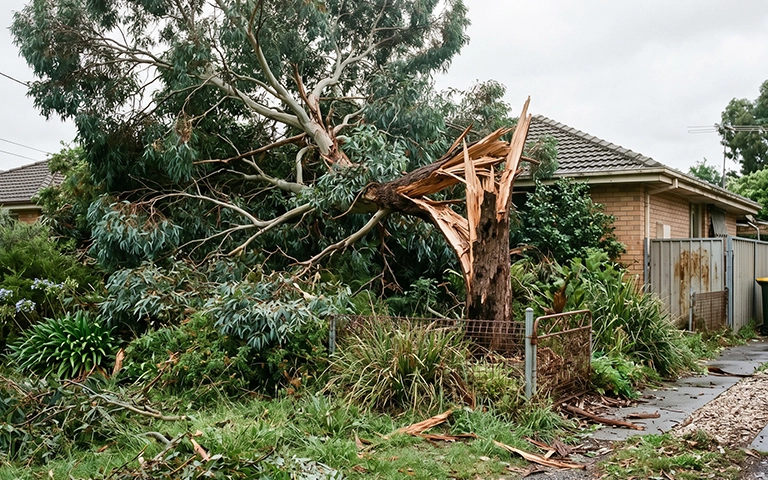
Why it’s worth paying attention early
Most tree falling situations aren’t truly sudden. They tend to develop gradually over time through small changes that are easy to miss day-to-day.
A tree can still look healthy while quietly responding to stress in its structure, root system, or surrounding environment. That’s why early attention matters more than obvious warning signs as by the time those signs are clear, the tree has often already been under strain for some time.
A simple tree safety inspection can help make sense of what you’re seeing and whether anything actually needs to change. Sometimes the best outcome is simply reassurance. Other times, it’s a plan to reduce risk before it becomes urgent.
Either way, getting clarity early is always easier than dealing with damage after the fact.
If you’re unsure about a tree on your property, Milone’s Tree Solutions can assess the situation, explain what’s going on in plain terms, and help you decide on the safest next step, whether that’s monitoring, maintenance, or removal.
Yes. Overgrown trees can develop unstable branches, excessive canopy weight, and hidden structural issues that increase safety risks over time.
Yes. Large trees may eventually damage roofs, gutters, fences, driveways, and surrounding structures if canopy growth and roots are left unmanaged.
Trees should generally be trimmed when branches become overgrown, structurally unstable, or begin affecting nearby homes, accessways, or surrounding infrastructure.
Yes. Expanding root systems can gradually create pressure beneath driveways, pathways, retaining walls, and surrounding infrastructure.
Yes. Arborists can identify hidden structural problems, dangerous growth patterns, and long-term risks before major property damage occurs.
Still have questions?
If you can’t find an answer to your question in the FAQ’s above, you can always contact us and we’ll respond asap.
Get a Quote now!
"*" indicates required fields


