

Deciding when tree removal is necessary is rarely straightforward. Most property owners don’t ignore the issue entirely — they delay it. Sometimes it’s uncertainty about whether the tree is actually dangerous, sometimes it’s cost, and other times it’s simply hoping the situation doesn’t get worse.
The problem is that trees don’t pause their condition while a decision is made.
Over time, structural issues, decay, root instability, and storm exposure can all progress quietly. What starts as a manageable concern can eventually become an urgent situation requiring immediate intervention.
At Milones Tree Solutions, we often see the same pattern: a tree that could have been managed safely early on ends up requiring emergency response, higher costs, and more complex removal methods because action was delayed.
Understanding the risks of waiting too long can help property owners make safer, more cost-effective decisions.
How tree problems escalate over time
Tree health doesn’t usually decline in a straight line — it tends to accelerate once certain thresholds are crossed.
A small amount of internal decay, for example, may not immediately affect stability. But as that decay spreads, the structural integrity of the tree can reduce more quickly than expected. Similarly, root damage might start as a localised issue before expanding into broader instability across the root system.
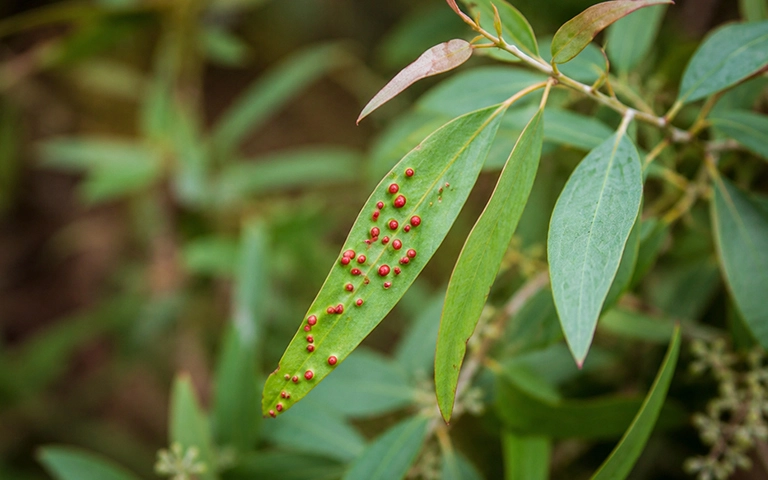
Diseases and pests can also progress over time, weakening branches, reducing canopy density, and affecting how the tree responds to wind or environmental stress.
This is why tree removal decisions are often less about a single moment and more about recognising a downward trend. Once that trend becomes clear, the risks tend to increase faster than most people anticipate.
Weather plays a significant role as well. In Melbourne, strong winds, heavy rain, and sudden storms can place additional pressure on already weakened trees. What might have been manageable in calm conditions can become unpredictable during severe weather events.
Delaying action often means accepting increasing exposure to these compounding factors.
Warning signs a tree may need to be removed
There are certain indicators that suggest a tree may no longer be suitable for retention, especially when multiple signs are present at the same time.
Dead branches within the canopy can be an early warning that parts of the tree are no longer functioning as they should. While some deadwood is normal in mature trees, larger or increasing amounts can indicate decline.
Visible trunk issues such as cracks, splits, or hollow sections are also important to assess. These features can suggest reduced structural strength, particularly if they appear to be expanding over time.
Leaning trees can be another concern, especially when the lean has developed recently or appears to be worsening. This may indicate root movement or reduced anchorage in the soil.
Root damage itself is not always visible above ground, but signs such as lifting soil, exposed roots, or nearby ground movement can point to underlying instability.
Fungal growth, particularly around the base of a tree, may also indicate internal decay, although it should always be interpreted alongside other symptoms rather than in isolation.
In more severe cases, pest infestations or widespread canopy dieback can signal that the tree is under significant stress.
When several of these tree removal urgency signs appear together, it is generally appropriate to arrange a tree risk assessment to determine the safest next steps.
The cost of delaying tree removal
One of the most overlooked aspects of postponing tree removal is how costs can increase over time.
A tree that could have been removed under standard conditions may later require emergency response, particularly if it becomes unstable or is affected by storm damage. Emergency work often involves additional safety precautions, specialised equipment, and time-sensitive mobilisation, which can increase overall costs.
Delays can also lead to property damage. Falling limbs or whole-tree movement can impact roofs, fences, vehicles, and surrounding structures. In some cases, this leads to insurance claims, repairs, and disputes about whether the risk was foreseeable.
Neighbouring properties may also become involved if branches extend across boundaries or if a tree impacts shared infrastructure such as fences or retaining walls.
As the complexity of removal increases, so too does the level of planning and equipment required. Trees that were once straightforward may need sectional dismantling or controlled rigging methods, particularly in confined spaces.
This is where the cost of ignoring dangerous trees becomes more than just financial — it can involve disruption, liability, and avoidable stress.

When a tree becomes an emergency situation
Not all tree issues can be planned for in advance. Some situations require immediate attention due to safety risks or active damage.
Storm-damaged trees are one of the most common examples. Branches may be partially attached, trunks may be split, or trees may be leaning after high winds. These conditions can change quickly and unpredictably.
Trees that have already dropped large limbs or are showing signs of sudden structural movement should also be treated with caution. Even if they remain standing, they may be under internal stress that is not immediately visible.
Proximity to powerlines introduces another level of urgency. Any tree interacting with electrical infrastructure should be assessed and managed with appropriate safety protocols.
Trees that are threatening buildings, access points, or high-traffic areas may also require urgent intervention, particularly if there is a risk of further movement.
In these cases, emergency tree removal may be necessary to stabilise the site and reduce immediate risk before longer-term decisions are made.
An emergency arborist response is focused on safety first — controlling hazards before carrying out full removal or remediation work.
Why arborist assessments can reduce long-term costs
One of the most effective ways to avoid unnecessary expense is early assessment.
A qualified arborist can evaluate structural condition, identify risks that are not visible from ground level, and determine whether a tree can be safely retained, managed, or should be removed.
A tree risk assessment provides a structured approach to understanding likelihood of failure and potential consequences. This helps property owners make informed decisions rather than reactive ones.
In some cases, removal is not immediately required. Instead, targeted pruning, monitoring, or maintenance may be sufficient to manage risk in the short term. In other situations, early removal may actually be the most cost-effective option when compared to future escalation.
Arborist involvement is also important when considering council regulations or permit requirements. Some trees require approval before removal, and delaying advice can create additional administrative complications.
Beyond compliance, professional guidance helps ensure that decisions are based on long-term property protection rather than short-term assumptions.
For many property owners, an arboricultural consultation provides clarity at a stage where uncertainty is often the biggest challenge.
Acting early makes the difference
Most issues associated with tree removal don’t become expensive overnight — they escalate gradually when warning signs are overlooked or delayed.
What begins as a manageable concern can evolve into a more complex situation involving safety risks, property damage, and urgent intervention.
Early assessment is often the simplest way to avoid unnecessary cost and disruption.
If you are unsure about a tree on your property, getting a professional opinion early can provide clarity and help you make the right decision before conditions change.
The team at Milone’s Tree Solutions can assess risk, explain options clearly, and help determine whether monitoring, maintenance, or removal is the safest approach.
Because with trees, timing often matters as much as the decision itself.
If you’re unsure whether your tree needs attention, it’s better to check early than wait for it to become urgent.
Milones Tree Solutions can assess the situation, identify risks, and recommend the safest approach before tree removal becomes an emergency.
Frequently Asked Questions
A tree should be removed when it presents a safety risk, shows significant structural defects, is severely diseased, or cannot be safely managed through pruning or maintenance.
Delaying removal can increase the risk of property damage, emergency intervention, higher costs, and potential insurance complications if the tree was known to be hazardous.
Common indicators include dead branches, trunk decay, leaning, root damage, cracks, fungal growth, and storm-related structural changes.
Yes. Emergency work often requires urgent response, additional safety measures, and specialised equipment, which can increase overall costs.
Yes. A professional arborist can assess the tree, identify risks, and recommend the most appropriate and cost-effective course of action.
Still have questions?
If you can’t find an answer to your question in the FAQ’s above, you can always contact us and we’ll respond asap.
Get a Quote now!
"*" indicates required fields


