


Choosing a tree removal provider should involve more than comparing prices. Tree removal is genuinely high-risk work — it can involve working at height, lowering heavy branches and timber in stages, protecting nearby homes, fences and structures, managing powerlines and restricted access, and operating specialised machinery in tight spaces. Knowing how to hire a tree removal company means knowing what to check before anyone puts a saw to your tree. This guide covers the qualifications, questions, quotes and warning signs to understand before engaging professional tree removal.
How to Choose a Tree Removal Company You Can Trust
When comparing providers, a few factors separate professional operations from the rest:
- Established industry experience — a track record of comparable work, not just general landscaping
- Qualified personnel — trained arborists and climbers, not casual labour
- Appropriate equipment, from rigging gear to chippers and elevated work platforms
- Clear communication — a company that inspects the tree, explains its approach and answers questions directly
- Knowledge of local requirements, including when councils regulate tree removal in your area
- A willingness to explain why removal is recommended, including whether alternatives exist
- Evidence of previous professional work, such as recent projects, reviews or references
The strongest signal is how a company arrives at its price. A professional tree removal company should be able to explain how the work will be undertaken — the removal method, the equipment, the crew and how your property will be protected — rather than simply quoting a number over the phone. Longevity matters too. Companies that have operated for years across Melbourne and regional Victoria, like Milone’s Tree Solutions, carry their reputation into every job.
What Qualifications Should a Tree Removal Company Have?
Formal qualifications matter because tree removal is a technical discipline, not just physical work. Look for:
- Qualified arborists holding recognised arboriculture qualifications
- Relevant training in chainsaw operation, working at height and aerial rescue
- Experience with mature and hazardous trees, where the consequences of a mistake are greatest
- Knowledge of tree structure and condition — how species, defects and decay change how a tree must be dismantled
- Safe climbing and rigging practices, so sections are lowered under control rather than dropped
- Competence with specialised equipment, including elevated work platforms, cranes and chippers
No single certificate guarantees competence on its own. What you are looking for is the combination: formal training, demonstrated experience and the ability to explain their reasoning. For complex situations — significant trees, disputes or planning matters — some companies also offer formal arboricultural consultation from senior arborists.
Why a Tree Assessment Should Come Before Tree Removal
Professional tree removal should begin with understanding the tree and its surroundings — not with a chainsaw. A proper tree assessment considers:
- The tree’s overall condition and health
- Structural defects such as cracks, cavities, included bark or root damage
- Dead or compromised branches and where they sit over the property
- Proximity to buildings, fences, powerlines and neighbouring properties
- Surrounding trees and vegetation to be protected during works
- Access limitations that determine what equipment can be used
- Whether removal is actually necessary at all
That last point matters more than most homeowners expect. A structural issue can sometimes be managed through tree pruning or ongoing monitoring rather than removal. A formal tree risk assessment gives you an evidence-based answer — and a company that recommends keeping a tree when removal is not warranted is demonstrating exactly the professional judgement you want.
Questions to Ask a Tree Removal Company Before Hiring Them
Use these questions to ask a tree removal company as a practical checklist.
- Who will assess the tree? The person quoting should understand trees, not just pricing.
- Will qualified arborists be involved? Confirm who is actually on site.
- Are you appropriately insured? Public liability insurance suited to tree work protects you if property is damaged.
- What exactly is included in the quote? Scope varies widely between providers.
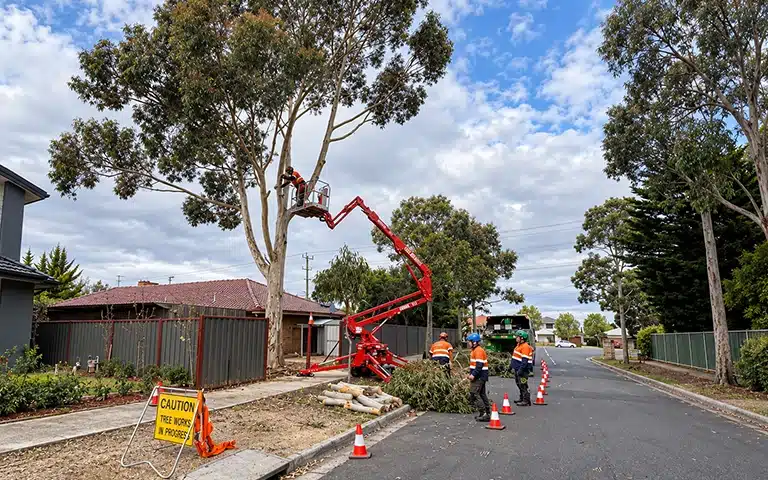
- How will the tree be removed? A professional can describe the method: straight fell, sectional dismantle, rigging or crane assistance.
- What equipment will be required? The answer shows whether they have sized up the job realistically.
- What happens to branches and debris? Chipping, timber removal and green waste handling should be defined.
- Is stump removal included? Stump grinding is often a separate line item.
- Could council permits be required? Many Melbourne councils protect trees through local laws and overlays. A professional should flag this and can point you to tree removal permit advice where approval may be needed.
- How will nearby property be protected? Listen for specifics: exclusion zones, rigging to control falling sections, and traffic management if needed.
A company that answers these questions readily and specifically is showing you how it works. Vague or impatient answers are an answer in themselves.
How to Compare Tree Removal Quotes Properly
The cheapest quote is only the cheapest if it covers the same work. Before comparing dollar figures, check whether each tree removal quote includes:
- Complete removal of the tree, not just the sections easiest to reach
- All equipment required, including hire of platforms or cranes where needed
- Labour for the full crew, including traffic or safety management if required
- Site access requirements, such as protection for driveways and lawns
- Removal of branches and timber, or whether timber is left stacked
- Full cleanup of the work area
- Stump grinding, if you want the stump gone — often quoted separately
- Any additional site-specific requirements discussed during the assessment
Two quotes that look similar can describe very different scopes of work. A low figure that excludes debris removal, cleanup and stump grinding can end up costing more than a complete quote once those items are added. Ask each provider to itemise what is included so you can compare like with like.
Why Insurance Matters for Professional Tree Removal
Tree removal happens around the most valuable assets people own — homes, vehicles, sheds and fences — and it involves heavy timber, machinery and work at height. Appropriate insurance matters for practical reasons:
- Property damage risk. Even well-planned jobs carry residual risk, and public liability insurance is what covers the damage if something goes wrong.
- Worker safety. Tree work is among the more dangerous trades, and reputable companies carry proper coverage for their people.
- High-risk operations. Removals near houses, over structures or around powerlines concentrate risk where damage is most expensive.
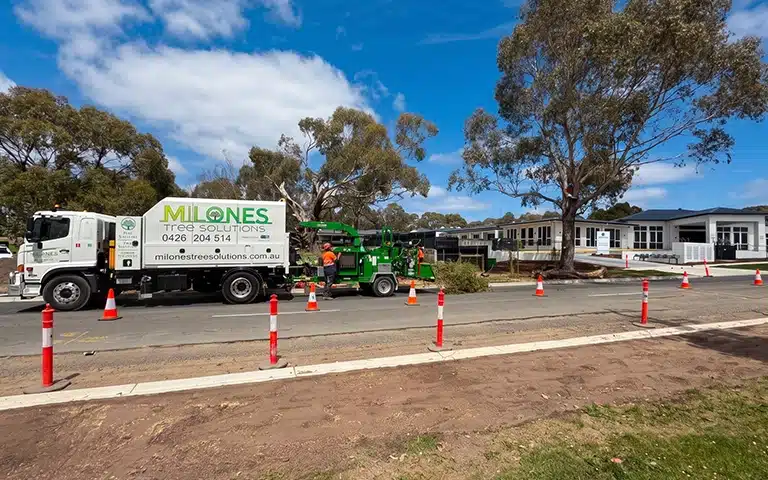
- Machinery and equipment. Cranes, platforms and chippers add further exposures a professional operation insures against.
You should feel entirely comfortable asking for evidence of current insurance before work begins. Professional companies expect the question. If a contractor is evasive about insurance, that tells you what you need to know.
Red Flags to Watch for Before Hiring a Tree Removal Contractor
Most tree companies do the right thing, but it pays to recognise the warning signs:
- Recommending removal immediately, without genuinely assessing the tree
- Quotes that are unclear, vague or provided without seeing the site
- Unwillingness to discuss insurance or provide evidence of it
- No explanation of the proposed removal method
- Inability to explain qualifications or relevant experience
- Unsafe-looking practices on current jobs — no helmets, no exclusion zones, no rigging
- Pressure to commit on the spot, especially door-knocking after storms
A low price on its own is not a red flag — sometimes access is easy and the job is simple. The concern is when a tree removal contractor combines a low price with vagueness about scope, method, qualifications or insurance.
When You Should Speak With a Qualified Arborist
Some situations call for professional assessment before any hiring decision is made:
- Large, mature trees, where removal is complex and mistakes are costly
- Trees close to buildings, boundaries or infrastructure
- Storm-damaged trees, which can be unstable in ways that are not obvious — genuine emergencies warrant emergency tree removal
- Suspected structural defects such as cracking, leaning or fungal growth
- Trees near powerlines, where clearance rules apply
- Potentially protected trees, where council approval may be required
- Any uncertainty about whether removal is necessary at all
A qualified arborist can assess the tree, explain the options and recommend a course of action based on the tree’s actual condition — which sometimes means removal, and sometimes means far less.
Need Professional Advice About a Tree on Your Property?
Not sure whether a tree needs to be removed or what to look for in a professional tree removal service? Milone’s Tree Solutions can assess the tree, explain the available options and recommend an appropriate approach for your property.
Frequently Asked Questions
Yes — check that the contractor holds current public liability insurance suitable for the type and scale of tree work being undertaken, and ask to see evidence before work begins. If a tree is being removed near your home, vehicles or a neighbour’s property, insurance is what stands between an accident and a dispute over who pays.
A complete quote should clearly state what is covered: removal of the tree, equipment, labour, debris and timber removal, site cleanup, and whether stump grinding is included or priced separately. It should also note any site-specific requirements such as access protection or traffic management.
Yes. An inspection establishes the tree’s condition, its structural risks, the constraints of the site and whether removal is actually the right outcome — sometimes pruning or monitoring is a better option. It also determines the safest removal method and whether council requirements apply.
Ask directly: whether qualified arborists will do the work, what training the crew holds, how long the company has operated and what comparable jobs they have completed. Combine that with the practical checks — insurance, equipment, a clear removal methodology and a written quote. A qualified company can answer all of these specifically and without hesitation.
Not on price alone. Quotes often differ because their scopes differ — one may exclude cleanup, debris removal or stump grinding that another includes. Weigh the price against qualifications, insurance, safety practices, equipment and how clearly the company has explained its method.
Still have questions?
If you can’t find an answer to your question in the FAQ’s above, you can always contact us and we’ll respond asap.
Get a Quote now!
"*" indicates required fields


